






Choosing an HVAC contractor isn’t just about finding someone who can replace a broken air conditioner. The company you hire determines how efficiently your system operates, how long it lasts, how comfortable your home feels, and whether expensive repairs can be avoided in the future. A poor installation or inaccurate diagnosis can create problems that continue for years after the original service call.
Many homeowners begin searching for an HVAC contractor only after their air conditioner stops working during the middle of a Georgia summer. At that point, it’s easy to choose the first company with an available appointment instead of evaluating who is actually qualified to perform the work.
Whether you need AC repair, routine maintenance, or a complete system replacement, asking the right questions before hiring an HVAC contractor can help you avoid costly mistakes. The following factors will help you compare companies, understand what separates experienced professionals from inexperienced installers, and make a confident decision for your Marietta home.
Verify the Company’s Licensing, Insurance, and Professional Certifications

Before discussing equipment, pricing, or installation schedules, confirm that the HVAC contractor meets Georgia’s licensing and insurance requirements. Legitimate contractors are willing to provide this information because it demonstrates that they meet state regulations and carry the necessary protection for both their employees and your property.
Licensing verifies that the company is legally authorized to perform HVAC work, while insurance protects homeowners if accidental property damage or workplace injuries occur during the project. Professional certifications provide another level of confidence by showing that technicians have demonstrated technical knowledge beyond minimum licensing requirements.
| Credential | Why It Matters | What Homeowners Should Verify |
|---|---|---|
| Georgia Conditioned Air Contractor License | Confirms the contractor is licensed to perform HVAC work. | Ask for the license number and verify it through the state licensing board. |
| General Liability Insurance | Protects your property if accidental damage occurs. | Request proof of current insurance coverage. |
| Workers’ Compensation Insurance | Prevents homeowners from being financially responsible for workplace injuries. | Confirm active coverage before work begins. |
| EPA Section 608 Certification | Required for technicians handling refrigerants. | Ask whether technicians performing the work are EPA certified. |
| NATE Certification | Demonstrates advanced HVAC diagnostic and installation knowledge. | Ask whether certified technicians will be assigned to your project. |
Professional HVAC companies expect these questions and should answer them without hesitation. If a contractor avoids discussing licensing, cannot verify insurance, or suggests skipping required permits to lower the project cost, consider that a warning sign before moving forward.
Ask How They Determine the Correct Size HVAC System
One of the biggest mistakes homeowners make is assuming their existing air conditioner was properly sized when the house was built. Many replacement systems are installed simply because they match the size of the old equipment, even though that original system may have been oversized or undersized from the beginning.
An experienced HVAC contractor should perform a Manual J load calculation before recommending replacement equipment. Rather than relying only on square footage, this calculation evaluates the home’s unique characteristics to determine the actual heating and cooling requirements.
A Professional Load Calculation Considers Multiple Factors
- Window placement: South- and west-facing windows significantly increase afternoon heat gain during Georgia summers.
- Insulation quality: Older homes with limited attic insulation require different cooling capacities than newer energy-efficient construction.
- Ductwork location: Ducts installed inside hot attics lose cooling capacity before conditioned air reaches living spaces.
- Air leakage: Outdoor humidity entering through gaps around doors, windows, and framing increases cooling demand.
- Occupancy and appliances: People, lighting, cooking equipment, and electronics all contribute additional indoor heat.
Proper sizing is especially important in Georgia’s humid climate. Oversized air conditioners cool the house quickly but often shut off before removing enough indoor moisture, leaving homeowners with cool yet humid living spaces. Undersized systems, on the other hand, run continuously while struggling to maintain comfortable temperatures.
A qualified contractor should also explain how duct design and equipment selection influence overall system performance instead of focusing only on the outdoor unit. That level of attention usually results in better comfort, improved energy efficiency, and fewer service problems over the life of the system.
Look for a Contractor Who Diagnoses Problems Before Recommending Repairs

The quality of an HVAC contractor often becomes obvious during the diagnostic process. Experienced technicians collect performance data before recommending repairs, while inexperienced companies sometimes suggest replacing expensive components without confirming the actual source of the problem.
Professional diagnostics should identify why the system failed rather than simply replacing the first component that appears suspicious. This approach prevents unnecessary repairs and helps homeowners understand exactly what caused the issue.
A Thorough HVAC Diagnostic Should Include
| Diagnostic Test | Purpose |
|---|---|
| Electrical testing | Measures voltage, capacitor performance, and compressor amp draw. |
| Refrigerant analysis | Uses superheat and subcooling to verify proper refrigerant charge. |
| Airflow evaluation | Identifies restrictions caused by dirty filters, ductwork, or blower issues. |
| Temperature split measurement | Confirms the evaporator coil is removing heat effectively. |
| Safety control inspection | Verifies switches, sensors, and protective controls are functioning correctly. |
Ask Questions About Their Findings
After completing the inspection, don’t hesitate to ask what measurements were taken and what those numbers indicate. Reputable HVAC contractors explain their recommendations using actual diagnostic readings instead of vague statements such as “your compressor is bad” or “the system is worn out.”
One of the most common examples involves refrigerant. If a technician recommends simply adding refrigerant without explaining why the level became low, ask whether a leak search was performed. Refrigerant isn’t consumed during normal operation, so a low charge almost always indicates a leak that should be located and repaired.
Contractors who base every recommendation on measurable system performance provide homeowners with greater confidence that repairs are truly necessary rather than based on assumptions.
A Detailed Written Estimate Prevents Expensive Surprises Later
Price is important when comparing HVAC contractors, but the proposal itself often reveals much more than the total dollar amount. A professional estimate clearly explains what equipment will be installed, what materials are included, how the work will be performed, and what homeowners should expect throughout the project.
Unfortunately, many estimates contain only a brief equipment description and a final price. Without additional details, homeowners have no way of comparing proposals accurately because important installation items may be missing.
Every HVAC Proposal Should Clearly Include
- Complete equipment model numbers so you know exactly which outdoor unit, indoor coil, and air handler are being installed.
- A detailed scope of work explaining whether refrigerant lines, drain piping, electrical disconnects, thermostat wiring, and equipment pads will be replaced or reused.
- Permit and inspection information confirming the contractor will obtain required permits and complete the installation according to local building codes.
- Startup and commissioning procedures describing how refrigerant charge, airflow, electrical performance, and system operation will be verified before the project is completed.
- Project schedule and payment terms outlining expected installation dates, deposit requirements, and final payment procedures.
A detailed proposal benefits both the contractor and the homeowner because it establishes clear expectations before installation begins. When every aspect of the project is documented in writing, there is far less opportunity for misunderstandings, unexpected charges, or disagreements after the work has been completed.
Understand Exactly What the Warranty Covers Before You Sign

A long warranty sounds reassuring, but the details matter far more than the number of years advertised. HVAC warranties are divided into separate categories, and each one has different terms, exclusions, and responsibilities. Understanding those differences before installation helps prevent unexpected expenses if a major component fails years later.
A contractor should clearly explain who is responsible for equipment registration, how long labor is covered, and whether warranty service includes refrigerant, diagnostic charges, and replacement materials. Those details often determine the true value of the proposal.
| Warranty Type | What It Covers | Questions Worth Asking |
|---|---|---|
| Manufacturer Parts Warranty | Factory replacement parts for covered components. | Who completes equipment registration, and when must it be submitted? |
| Labor Warranty | Labor required to replace warrantied components. | How many years of labor coverage are included in writing? |
| Compressor Warranty | The compressor, often under separate warranty terms. | Are refrigerant, filter drier, and labor included if the compressor fails? |
Another important discussion involves situations that can void warranty coverage. Improper installation, delayed equipment registration, unmatched indoor and outdoor components, or a lack of documented maintenance may all affect future warranty claims. An experienced contractor should explain these requirements before the installation begins so there are no surprises later.
Compare the Overall Value Instead of Choosing the Lowest Price
The lowest proposal isn’t always the least expensive option over the life of your HVAC system. Installation quality, included materials, warranty coverage, and commissioning procedures all influence long-term reliability. Comparing only the final price often overlooks differences that become apparent after the first few years of operation.
Instead of asking why one proposal costs more than another, compare exactly what each contractor includes. A detailed evaluation usually reveals that two estimates with similar equipment can provide very different levels of workmanship and long-term value.
Compare Every Proposal Using the Same Criteria
| Comparison Point | Why It Matters |
|---|---|
| Equipment efficiency and model | Confirms you’re comparing equivalent systems rather than different product tiers. |
| Scope of installation | Identifies whether line sets, thermostats, drain lines, electrical components, and pads are included. |
| Labor warranty | Longer labor coverage can significantly reduce future repair costs. |
| Permits and inspections | Demonstrates the contractor follows local building requirements. |
| Startup and commissioning | Ensures airflow, refrigerant charge, and electrical performance are verified before completion. |
An unusually low estimate often means something has been removed from the project rather than the contractor simply offering a better price. Missing commissioning procedures, reused installation materials, limited warranty coverage, or omitted permits frequently become additional expenses later. Reviewing the complete scope of work allows homeowners to compare proposals fairly instead of focusing only on the initial investment.
Research the Company’s Reputation Beyond Online Star Ratings
Online reviews provide valuable insight, but the overall rating tells only part of the story. Reading detailed customer experiences often reveals far more about a contractor’s professionalism, communication, workmanship, and willingness to resolve problems after the installation or repair has been completed.
Pay close attention to reviews that describe the entire service experience rather than short comments with little context. Detailed feedback usually provides a better picture of how the company communicates, diagnoses problems, and supports customers after the job is finished.
Look For These Patterns in Customer Reviews
- Detailed service experiences: Reviews describing diagnostics, installation quality, and technician professionalism usually provide more useful information than generic five-star ratings.
- Consistent feedback over time: Positive reviews collected across several years often indicate reliable service rather than a temporary increase in customer activity.
- Professional responses to criticism: Companies that respond respectfully and explain how issues were resolved generally demonstrate stronger customer service.
- Post-installation support: Comments mentioning warranty service, follow-up visits, or adjustments after installation show the contractor stands behind their work.
Online research should also be supported by direct conversation. Ask how service requests are handled during the busiest summer months, whether maintenance customers receive scheduling priority, and who homeowners contact if adjustments are needed after installation. These discussions often reveal how committed a contractor is to long-term customer relationships rather than simply completing the initial job.
Why Homeowners Choose Innovative Mechanical in Marietta
Selecting an HVAC contractor involves much more than comparing equipment brands or installation prices. The right company takes time to evaluate your home’s needs, explains recommendations using real diagnostic data, provides detailed written proposals, and supports its work long after the installation or repair has been completed.
At Innovative Mechanical, every recommendation begins with accurate diagnostics, careful system evaluation, and honest communication. Our technicians explain what they’re measuring, why it matters, and how each recommendation improves your home’s comfort, efficiency, and long-term HVAC performance. We believe homeowners should understand the condition of their system before making any repair or replacement decision.
Whether you need AC repair, preventative maintenance, a second opinion, or a complete HVAC replacement, our experienced team proudly serves homeowners throughout Marietta, East Cobb, and the surrounding Cobb County communities. Contact Innovative Mechanical today to schedule a consultation and experience professional HVAC service built on expertise, transparency, and quality workmanship.
Keep reading
Guides and Honest Opinions
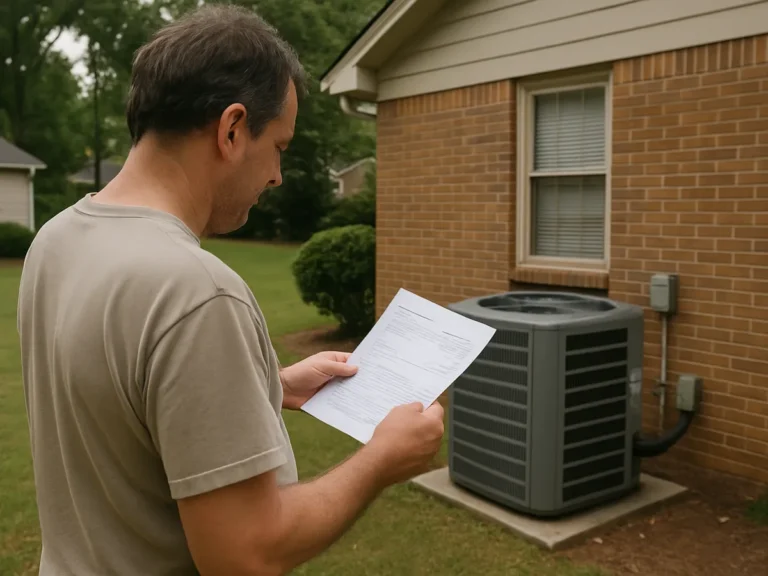
What SEER Actually Measures and How Much Efficiency Your Marietta Home Needs
Home Blog What SEER Actually Measures and How Much Efficiency Your M… Go What SEER Actually Measures and How Much Efficiency Your Marietta Home Needs You have two AC replacement quotes sitting in front of you. One recommends a 14.3 SEER2 system, the other says 18 SEER2, and the salesperson says going even higher will […]
Read the guide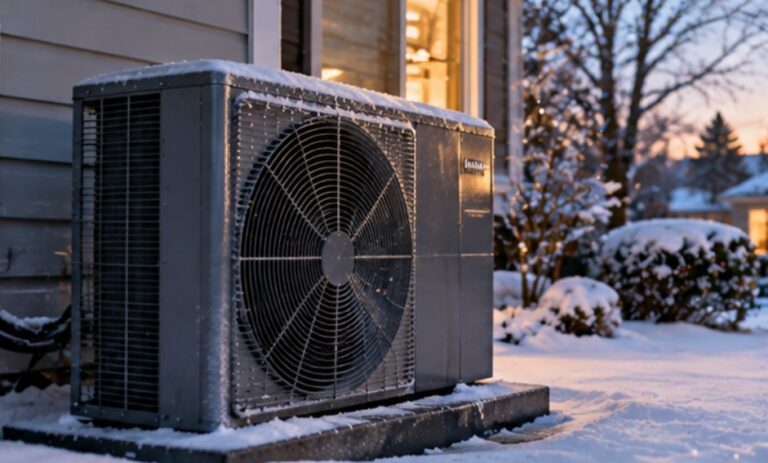
Why Is My Heat Pump Running Nonstop When It's Cold?
Home Blog Why Is My Heat Pump Running Nonstop When It’s Cold? Go Why Is My Heat Pump Running Nonstop When It's Cold? Your heat pump has been running since early morning, but it barely seems to shut off. If you live in Marietta, GA, this can happen when a winter cold front pushes temperatures […]
Read the guide
Furnace Smells Like Burning the First Time You Turn the Heat On? Here's What's Normal
Home Blog Furnace Smells Like Burning the First Time You Turn the H… Go Furnace Smells Like Burning the First Time You Turn the Heat On? Here's What's Normal The first time you turn on your furnace after months without heating, you may notice a dusty burning smell. If the odor is mild and fades […]
Read the guide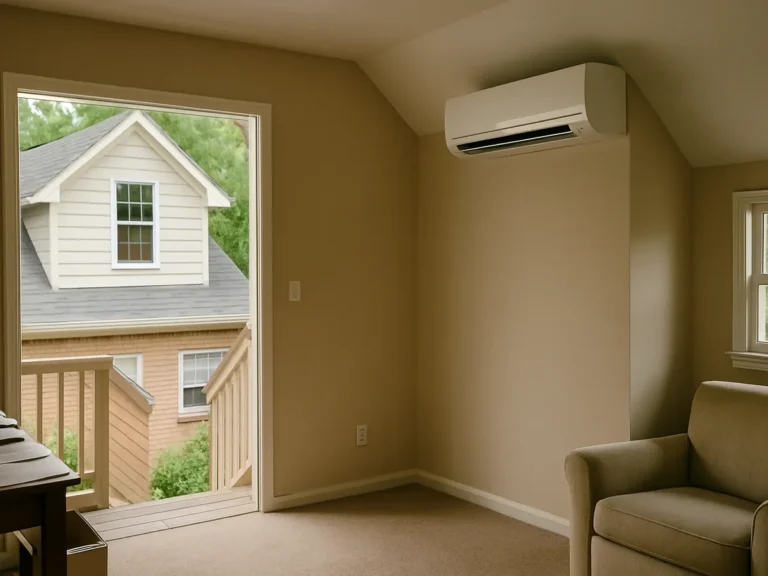
No Ductwork in Your Older Marietta Home? What Ductless Mini-Splits Can Actually Do
Home Blog No Ductwork in Your Older Marietta Home? What Ductless Mi… Go No Ductwork in Your Older Marietta Home? What Ductless Mini-Splits Can Actually Do You have a finished attic, a bonus room over the garage, or an addition that often sits 10 to 15 degrees off the rest of the house, and the […]
Read the guide
Replacing an AC System in an Older East Cobb Home: What Homeowners Need to Know
Learn how aging ductwork, home renovations, and improper sizing can affect AC replacement. Discover what to check before installing a new system for better comfort.
Read the guide
Why Is My AC Running But Not Cooling? (A Marietta Homeowner's Guide)
Is your AC running but not cooling your home? Learn the most common causes, simple troubleshooting steps, and when to schedule professional AC repair in Marietta.
Read the guide
