



Furnace Smells Like Burning the First Time You Turn the Heat On? Here's What's Normal

Chad FergusonOwner and founder
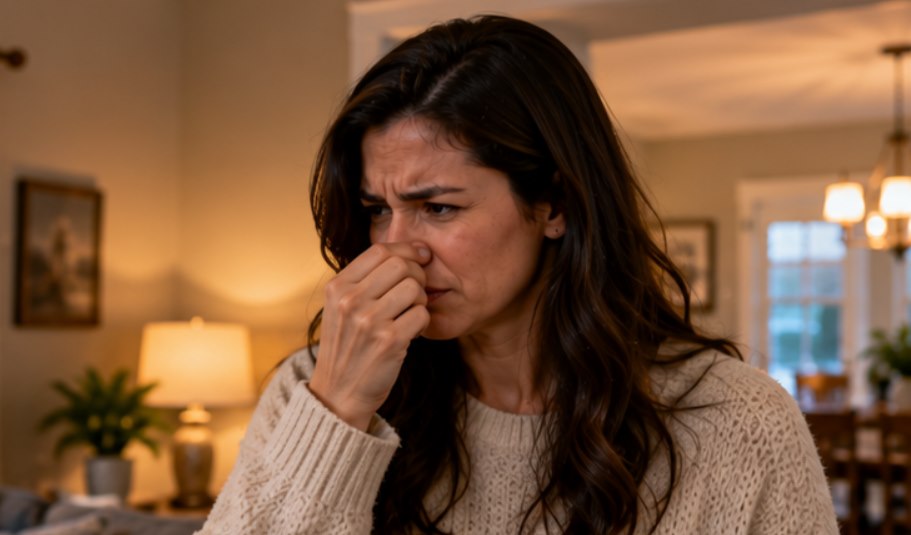
The first time you turn on your furnace after months without heating, you may notice a dusty burning smell. If the odor is mild and fades within an hour or two of running, it is usually normal. Dust that settled on the burners, heat exchanger area, or electric heating elements during the cooling season can burn off when the system warms up. However, a gas odor, a carbon monoxide (CO) alarm, smoke, or a persistent burning smell should never be dismissed as ordinary startup behavior.
For Marietta homeowners, the first heating cycle can also reveal problems that went unnoticed during summer. A furnace may start but deliver little warm air, run continuously without raising the indoor temperature, or shut down before the home feels comfortable. Knowing which signs are normal and which require attention helps you decide whether to monitor the system, perform a basic check, or arrange professional heating service.
Why Does My Furnace Smell Like Burning Dust the First Time I Turn It On?
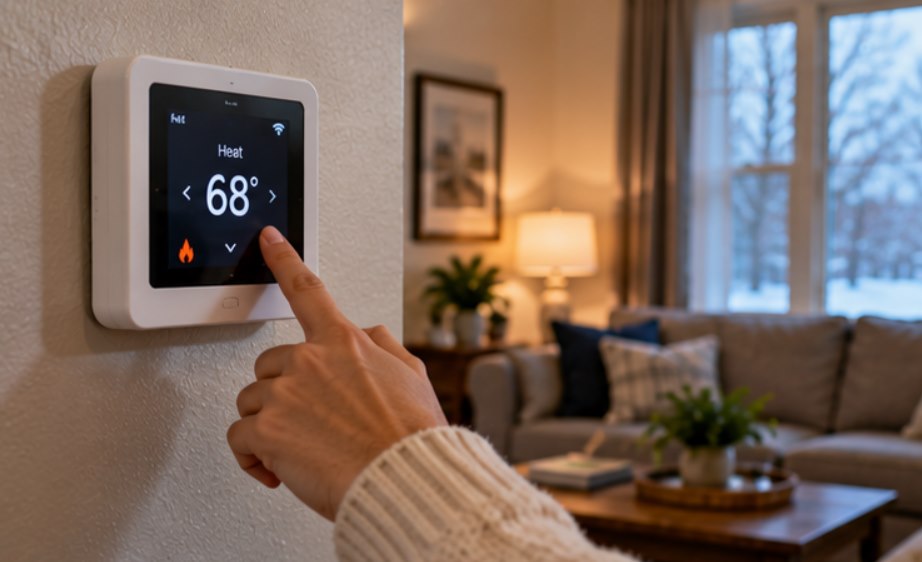
During spring and summer, dust can settle on internal furnace surfaces and heating components. When the system starts producing heat again, that dust warms up and creates a temporary odor. The smell may be more noticeable if the furnace has been unused for several months, particularly during the first heating cycle of the season.
A mild, dusty odor should gradually fade as the system runs. You may notice it near supply vents because the blower carries warmed air through the ductwork and into your rooms. If the smell becomes stronger, resembles melting plastic or burning wiring, or continues well beyond the initial startup period, turn the system off if it is safe to do so and arrange an inspection.
The type of heating equipment also matters. A gas furnace can produce a temporary dusty smell as internal surfaces warm, while an electric furnace or heat pump using electric resistance backup heat can produce a similar odor from dust on its heating elements. A brief dusty smell may be normal, but a gas smell or an electrical burning odor is not something to wait out.
Which Furnace Smells Are Normal, and Which Are Dangerous?
Not every odor coming from a heating system means the same thing. Pay attention to what the smell resembles, how strong it is, whether it fades, and whether other warning signs appear. The following comparison can help you decide what to do.
| What you notice | What it may mean | What to do |
|---|---|---|
| Mild dusty smell that fades within an hour or two | Dust warming on internal components | Monitor whether it fades |
| Musty odor that returns repeatedly | Possible moisture, dirty components, or duct issues | Arrange an inspection if persistent |
| Burning plastic or electrical odor | Possible overheating or electrical fault | Turn the system off if safe and seek service |
| Rotten-egg or sulfur-like gas odor | Possible natural gas leak | Leave immediately and call for help from outside |
| CO alarm sounds | Possible carbon monoxide exposure | Leave immediately and call 911 |
| Smoke or visible scorching | Possible overheating or fire | Leave if there is a fire hazard and call 911 |
These descriptions are warning signs, not a way to diagnose the problem by smell alone. Carbon monoxide is colorless and odorless, so you cannot determine whether CO is present by smelling the air. Keep working CO alarms on every level of your home and outside sleeping areas, and test them when you switch the heat on for the season.
What to Do if You Smell Gas
Natural gas is commonly given a sulfur-like odor so leaks are easier to detect. If you smell gas, do not assume it is simply the furnace starting for winter.
- Leave the building immediately and get everyone outside.
- Do not operate light switches, thermostats, appliances, or other electrical devices inside.
- Do not use matches, lighters, or other ignition sources.
- From a safe location outside, call 911 or the Atlanta Gas Light emergency line at 877-427-4321.
- Do not re-enter until emergency personnel or the appropriate utility representative says it is safe.
If a CO alarm sounds, leave the home immediately, get into fresh air, and call 911. Do not stay inside to troubleshoot the furnace or silence the alarm. Headache, dizziness, nausea, weakness, and confusion can be symptoms of carbon monoxide exposure, but you should act on the alarm even if nobody feels sick.
Why Won't My Furnace Heat the First Time I Turn It On?
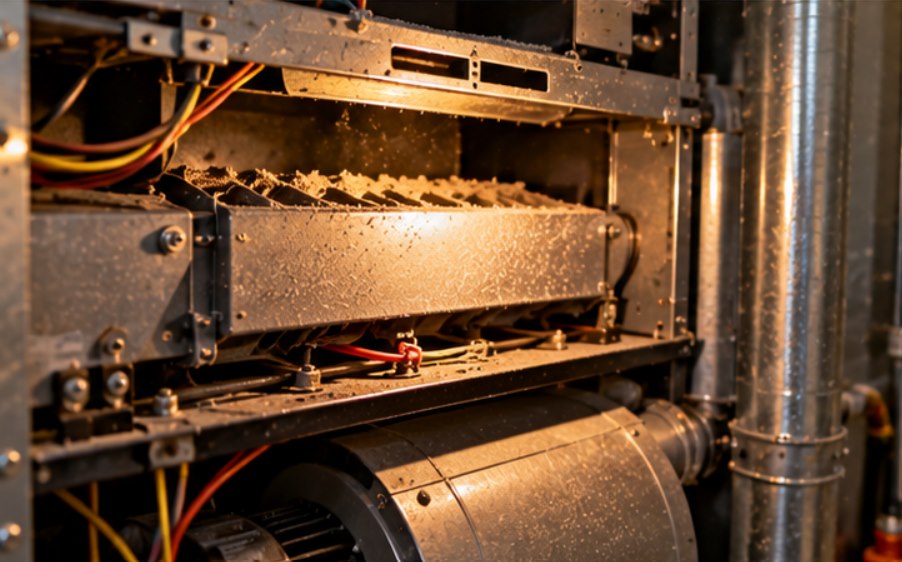
A furnace that fails to produce heat after sitting unused may have a simple issue, such as an incorrect thermostat setting or a clogged air filter. It can also have a component fault that requires professional diagnosis. The key is to identify what the system is doing rather than repeatedly switching it on and off.
Start by observing the symptoms. Does the thermostat display a heating demand? Does the blower run while the air stays cool? Does the furnace start and stop after a short period? These details help narrow down the possibilities without requiring you to open the equipment or handle electrical or gas components.
In Marietta, a furnace can sit unused from spring until the first real cold snap, then get asked for full output overnight. That long rest is when small parts give out. The most common reasons a furnace won't heat on its first start of the season are:
- Furnace power switch turned off: It looks like a light switch on or near the furnace and is easy to flip by mistake during summer.
- Access panel not fully closed: A safety switch keeps the furnace off if the door isn't seated properly, often after a filter change.
- Dirty flame sensor: The burners light, then shut off within seconds because the sensor can't confirm the flame.
- Weak or failed igniter: The inducer motor starts, but the burners never light.
- Clogged condensate drain: On high-efficiency furnaces, a blocked drain can trip a pressure switch and stop the heat.
The first two are safe for you to check. The rest need a technician, so if your home is not warming up after the basic checks below, professional diagnosis is the safer next step.
What Should You Check Before Calling for Heating Repair?
If there is no gas odor, CO alarm, smoke, or electrical burning smell, you can perform a few basic checks before arranging service. Do not attempt these checks if you suspect a gas leak or another immediate hazard. In that situation, leave the home and follow the emergency steps above.
1. Check the thermostat setting. Set the thermostat to Heat and choose a temperature above the current room temperature. If the thermostat uses batteries, check whether they need replacing. Allow a few minutes for the system to respond, since some equipment includes a built-in startup delay.
2. Inspect the air filter. A dirty filter can restrict airflow and contribute to overheating or repeated shutdowns. If the filter is visibly clogged, replace it with the correct size and type specified for your system. Avoid running the furnace without a filter unless the manufacturer explicitly permits it.
3. Check the furnace switch and breaker once. Make sure the switch on or near the furnace is on and the access door is closed. If the system still has no power, check your electrical panel for a tripped breaker and reset it once. If it trips again, stop and arrange professional service. Never remove furnace panels to investigate wiring.
4. Make sure supply vents and return grilles are open. Furniture, rugs, curtains, and stored items can block airflow. Clear obvious obstructions, but do not dismantle ductwork or attempt internal repairs.
5. Note what happens during startup. Record the smell, any unusual sound, whether warm air reaches the rooms, and whether the furnace shuts down. If the system runs for several minutes without producing heat, repeatedly cycles, or displays an error code, share those observations with the technician.
These checks can resolve straightforward issues, but they cannot confirm that a gas furnace is operating safely. Never bypass a safety switch, adjust gas pressure, or remove combustion components to get the heat working.
Why Does the Burning Smell Continue After the Furnace Has Been Running?
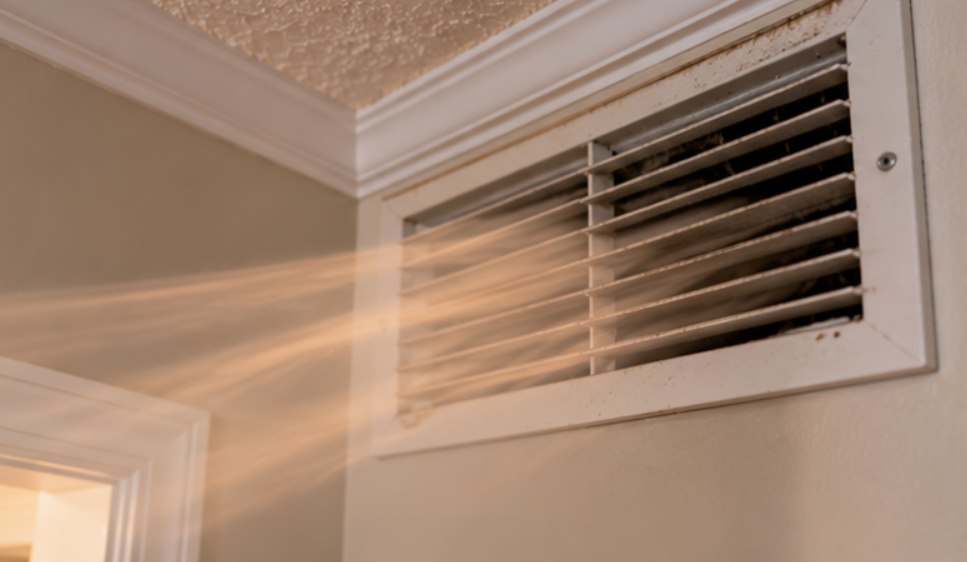
A mild dusty smell should fade within the first hour or two of heating. If the odor stays strong, returns with every heating cycle, or becomes more noticeable, do not assume the furnace simply needs more time to warm up. Turn the system off if it is safe to do so and arrange a professional inspection.
The cause depends on the type of smell and how the furnace behaves. Common possibilities include:
- Dirty air filter: Restricted airflow can contribute to overheating.
- Overheating motor: Electrical components may produce a hot or burning odor.
- Debris near heating components: Dust or foreign material may create persistent smells.
- Ignition or burner problems: A gas furnace may need inspection if combustion or startup is abnormal.
- Items stored too close to the furnace: Boxes, paint cans, or laundry near the unit can scorch or give off fumes.
These are possible causes, not a diagnosis. Replacing the filter may help if airflow is restricted, but it will not fix every source of a persistent odor.
If you notice burning plastic, hot wiring, smoke, or scorching, stop using the furnace and call for service. For a gas smell or a CO alarm, follow the emergency steps above. Keep in mind that a blocked or leaking furnace vent can release carbon monoxide with no smell at all, which is why a working CO alarm matters more than your nose.
When Should You Call a Furnace Repair Technician in Marietta?
Arrange professional service if your furnace struggles to heat your home, repeatedly shuts down, or develops unusual noises or persistent odors. You do not need to wait for a complete breakdown before investigating a problem.
| Warning sign | Why it needs attention |
|---|---|
| Furnace runs but produces little or no heat | A thermostat, airflow, ignition, or equipment fault may be involved |
| Furnace repeatedly starts and stops | A safety control or operating problem may be interrupting heating |
| New banging, grinding, or rattling sounds | A mechanical component may need inspection |
| Breaker trips repeatedly | An electrical fault may be present |
| Burning odor persists after startup | Dust may not be the only cause |
| Error code appears on the furnace | The system may have detected an operating fault |
A technician can inspect the relevant components, test system operation, and explain what needs attention. Depending on the symptoms, the inspection may include the thermostat, air filter and airflow, ignition system, flame sensor, electrical connections, safety controls, and venting. The exact checks depend on the equipment and the problem.
Before calling, make a note of three things:
- When it started: Did the problem appear during the first heating cycle or develop later?
- What you noticed: Describe the odor, noise, error code, or lack of warm air.
- What the furnace does: Does it run continuously, shut down quickly, or blow cool air?
Share these details when you call, and the technician can get to the cause faster. If your furnace hasn't been serviced since last winter, early fall is also a good time for a tune-up or a spot on a maintenance plan. A fall inspection catches a weak igniter or a dirty flame sensor before the first cold night does.
Why Choose Innovative Mechanical for Heating Service in Marietta, GA?
When your furnace develops an unfamiliar smell or stops heating during a cold spell, you need a clear explanation of what is wrong and what it will take to fix it. Innovative Mechanical provides heating repair in Marietta and across North Metro Atlanta, working on gas furnaces, heat pumps, and all major brands. Owner Chad Ferguson has worked in HVAC since 1999, every technician is EPA 608 certified, and the company pays for NATE certification and factory training, so the person looking at your furnace has been trained on it.
Our approach includes flat-rate pricing and no repairs without your approval. You can review the proposed work and price before authorizing a repair, rather than being surprised by unapproved work. Repairs come with a 30-day no-cost callback and one year of parts and labor on the same repair issue or part.
If your furnace smells unusual, your heat is not working, or you need help determining whether a startup symptom is normal, contact Innovative Mechanical. If it isn't urgent, you can send us a message describing what the furnace is doing.
Call Innovative Mechanical at 770-726-7407, day or night. You'll talk through what the furnace is doing, and we'll tell you honestly when a technician can be there.
Frequently Asked Questions
How long should a furnace smell like burning dust?
A mild dusty smell on the first start of the season usually fades within an hour or two of running, as dust that settled over the summer burns off. It should get weaker, not stronger. If it lingers past that, comes back strongly with every cycle, or smells like plastic or hot wiring, turn the furnace off and call for service.
Why does my furnace turn on and then shut off right away?
A furnace that lights and then shuts off within seconds often has a dirty flame sensor that can't confirm the burners are lit. A clogged filter can also make it overheat and shut down on its limit switch, and on high-efficiency furnaces a blocked condensate drain can trip a pressure switch. Replace the filter first. If it keeps happening, call a technician.
Why is my furnace running but not heating my house?
A thermostat setting, clogged filter, restricted airflow, ignition issue, or equipment fault may prevent the home from warming properly. Check the thermostat and filter only if there are no safety warning signs. If the furnace continues running without delivering adequate heat, arrange an inspection instead of repeatedly restarting the equipment.
Should I get a furnace tune-up before the first cold night?
Yes, if the furnace hasn't been serviced since last winter. A tune-up checks the igniter, flame sensor, burners, safety controls, airflow, and venting, which are the parts most likely to fail when a furnace starts after months of rest. Booking it in early fall means problems get fixed on your schedule instead of during a no-heat call on the first cold night.
Can I call for furnace repair after normal business hours in Marietta?
Yes. Innovative Mechanical answers calls 24 hours a day, seven days a week, including nights and weekends. Describe what the furnace is doing and you'll get an honest answer on next steps and timing. If you smell gas or a CO alarm sounds, leave the house first, then call 911 or Atlanta Gas Light at 877-427-4321 from outside.
Keep reading
Guides and Honest Opinions
Why Is My Heat Pump Running Nonstop When It's Cold?
Home Blog Why Is My Heat Pump Running Nonstop When It’s Cold? Go Why Is My Heat Pump Running Nonstop When It's Cold? Your heat pump has been running since early morning, but it barely seems to shut off. If you live in Marietta, GA, this can happen when a winter cold front pushes temperatures […]
Read the guide
No Ductwork in Your Older Marietta Home? What Ductless Mini-Splits Can Actually Do
Home Blog No Ductwork in Your Older Marietta Home? What Ductless Mi… Go No Ductwork in Your Older Marietta Home? What Ductless Mini-Splits Can Actually Do You have a finished attic, a bonus room over the garage, or an addition that often sits 10 to 15 degrees off the rest of the house, and the […]
Read the guide
What SEER Actually Measures and How Much Efficiency Your Marietta Home Needs
Home Blog What SEER Actually Measures and How Much Efficiency Your M… Go What SEER Actually Measures and How Much Efficiency Your Marietta Home Needs You have two AC replacement quotes sitting in front of you. One recommends a 14.3 SEER2 system, the other says 18 SEER2, and the salesperson says going even higher will […]
Read the guide
Replacing an AC System in an Older East Cobb Home: What Homeowners Need to Know
Learn how aging ductwork, home renovations, and improper sizing can affect AC replacement. Discover what to check before installing a new system for better comfort.
Read the guide
Why Is My AC Running But Not Cooling? (A Marietta Homeowner's Guide)
Is your AC running but not cooling your home? Learn the most common causes, simple troubleshooting steps, and when to schedule professional AC repair in Marietta.
Read the guide
How Much Does AC Repair Cost in Marietta? (Diagnostic Fee Explained)
What drives AC repair cost in Marietta, what an HVAC diagnostic fee covers, and when repair still beats replacement. Contractor insights from Innovative Mechanical.
Read the guide
